top of page


Recover Better. Move Better.
Perform Better


Search
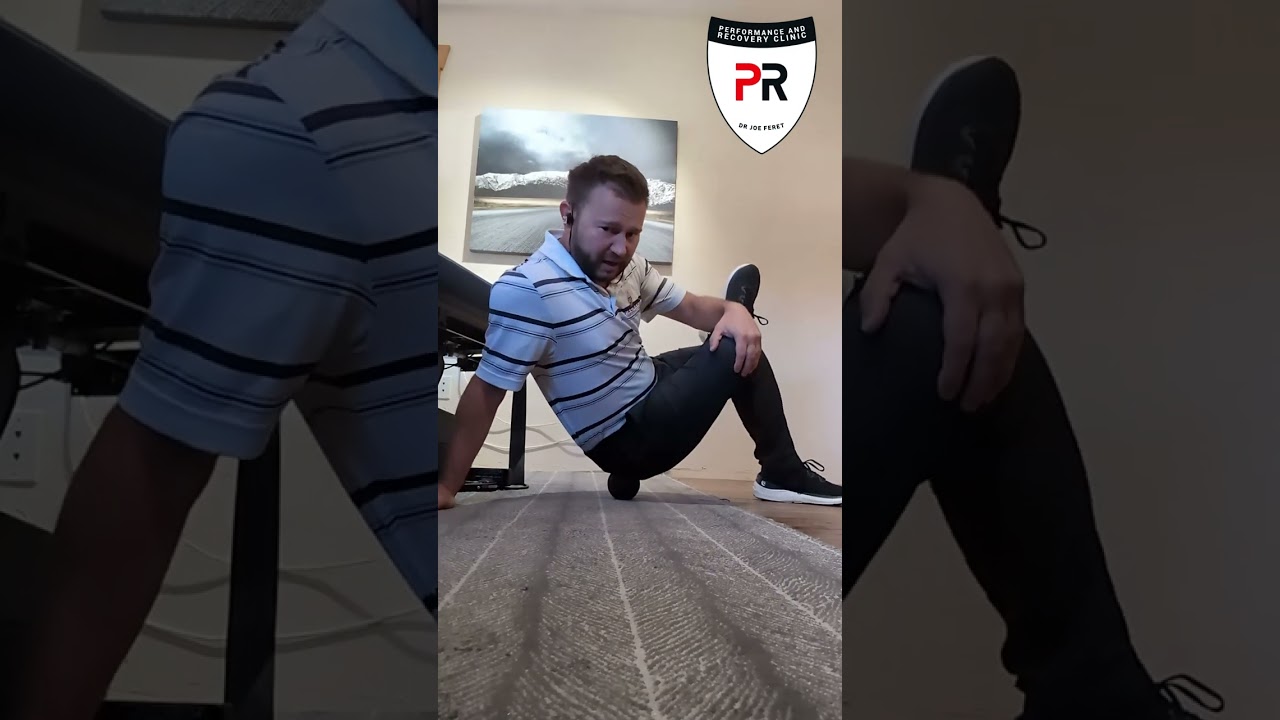
Figure 4s With a Ball: Glute Release for Hip Tightness, Buttock Pain and Sciatic-Type Tension
Tightness in the back of the hip can be frustrating. You might feel it when you: Sit for long periods Drive Run Hike uphill Ski Lift Squat Cross one leg over the other Get out of the car Roll over in bed Many people describe this area as the “piriformis,” but the back of the hip is more complex than one small muscle. The deep gluteal region includes the glute muscles, piriformis, other deep hip rotators, connective tissue, and nearby nerves, including the sciatic nerve. A Fig
drjoeferetdc
Jul 69 min read
Self Hip-Flexor Release: How to Reduce Hip Tightness Safely
The front of the hip can feel tight after: Prolonged sitting Driving Running Cycling Skiing Hiking uphill Repeated lifting High-volume training Many people immediately begin stretching the hip flexors. Stretching may help, but sometimes the area is too sensitive or guarded to tolerate a deep stretch comfortably. A gentle self-release technique may help reduce temporary tension and make subsequent movement feel easier. Watch: Self Hip-Flexor Release Video:https://youtu.be/RK-a
drjoeferetdc
Jun 284 min read

Tight Hips? Explore the Elevated Pigeon Stretch as a Gentle Mobility Flow
Does one hip feel tighter than the other when you squat, walk, run, golf, ski, or simply get out of the car? You may not need to force your hip into the deepest stretch possible. Sometimes the most useful approach is to move slowly, explore several comfortable angles, and allow your body to tell you where the restriction is. The Elevated Pigeon Stretch is a hip-mobility exercise that places the front leg on a bench, table, treatment table, couch, or other stable raised surfac
drjoeferetdc
Jun 2012 min read

The Figure-Four Stretch—But With a Better Hip-Focused Variation
The Figure-Four stretch is one of the most recognizable hip stretches. You may have performed it lying on your back, sitting in a chair, or pulling your crossed leg toward your chest. But there is an important difference between simply getting into a familiar position and actually directing the movement into the hip. When people perform the traditional version, they often: Pull aggressively on the knee Round the lower back Rotate the pelvis Hold their breath Force the hip int
drjoeferetdc
Jun 2011 min read
bottom of page