top of page


Recover Better. Move Better.
Perform Better


Search

Tight Lats, Hips or Lower Back? Try This Door-Frame Side-Body Stretch
Do you feel tight along the side of your back after sitting, driving, lifting, golfing, running, cycling, or skiing? Maybe reaching overhead feels restricted. One side of your lower back always seems tighter. Or you feel a pulling sensation that runs from your shoulder, through your ribs, and toward your hip. Stretching only the lower back may not address the entire problem. The muscles and connective tissues along the side of the body link the shoulder, rib cage, spine, pelv
drjoeferetdc
Jun 2013 min read

Low Back Feeling Tight? Try the Lunge-and-Reach Stretch
Does your lower back feel tight after sitting, driving, running, cycling, golfing, or spending hours on your feet? Your first instinct may be to bend forward and stretch your back. But sometimes the area that feels tight is not the only area that needs attention. Limited motion through the front of the hips can make it harder to stand fully upright, extend the leg behind you, or move comfortably through activities such as walking, running, skiing, cycling, and golfing. The lu
drjoeferetdc
Jun 2013 min read
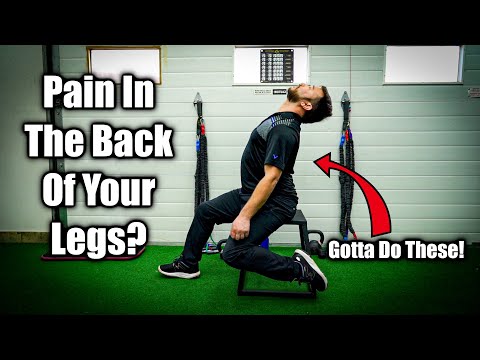
Tingling, Tightness or Sciatica-Like Leg Pain? Try This Gentle Lower-Body Nerve Floss
Does the back of your leg feel unusually tight—even though stretching your hamstrings never seems to provide lasting relief? Maybe sitting in the car causes tingling down your leg. Bending forward creates a pulling sensation behind the knee. Or your leg feels restricted after a previous low-back injury or disc herniation. The problem may not be muscular tightness alone. Sometimes the nervous system becomes sensitive to movement, compression, or prolonged positions. In these c
drjoeferetdc
Jun 2013 min read

Want a Smoother Golf Swing? Start With Better Upper-Back Rotation
Are you trying to create a bigger backswing by twisting harder through your lower back? That may be part of the problem. A powerful golf swing requires rotation, but that rotation should be shared between your hips, pelvis, upper back, shoulders, and spine. When your upper back does not rotate well, your body often tries to find that motion somewhere else. That compensation may show up as: Excessive lower-back twisting Your lead heel lifting early Your posture changing during
drjoeferetdc
Jun 209 min read
bottom of page