top of page


Recover Better. Move Better.
Perform Better


Search

Thoracic Rotation Stretches for Golfers, Tennis and Baseball Players
Thoracic Rotation Stretches for Golfers, Tennis Players and Baseball Athletes Rotational sports require more than simply twisting harder. The hips, pelvis, trunk, rib cage, upper back, shoulders, and arms must share motion and transfer force in the correct sequence. When the middle and upper back do not rotate comfortably, the body may attempt to create that motion elsewhere. Common compensations may include: Excessive lower-back rotation Shoulder strain Loss of hip control P
drjoeferetdc
Jun 219 min read

Side Plank Variations for a Stronger Core: A Key Exercise for Runners, Golfers and Athletes
You may be able to hold a regular plank—but can your core keep you stable when your body is loaded from one side? That is where the side plank becomes especially valuable. Running, golfing, skiing, cycling, lifting, and field sports rarely challenge your body in a perfectly symmetrical position. One leg accepts your weight. Your torso rotates. Your arms and legs generate force in different directions. Your core must keep your spine and pelvis controlled through all of it. Sid
drjoeferetdc
Jun 2013 min read
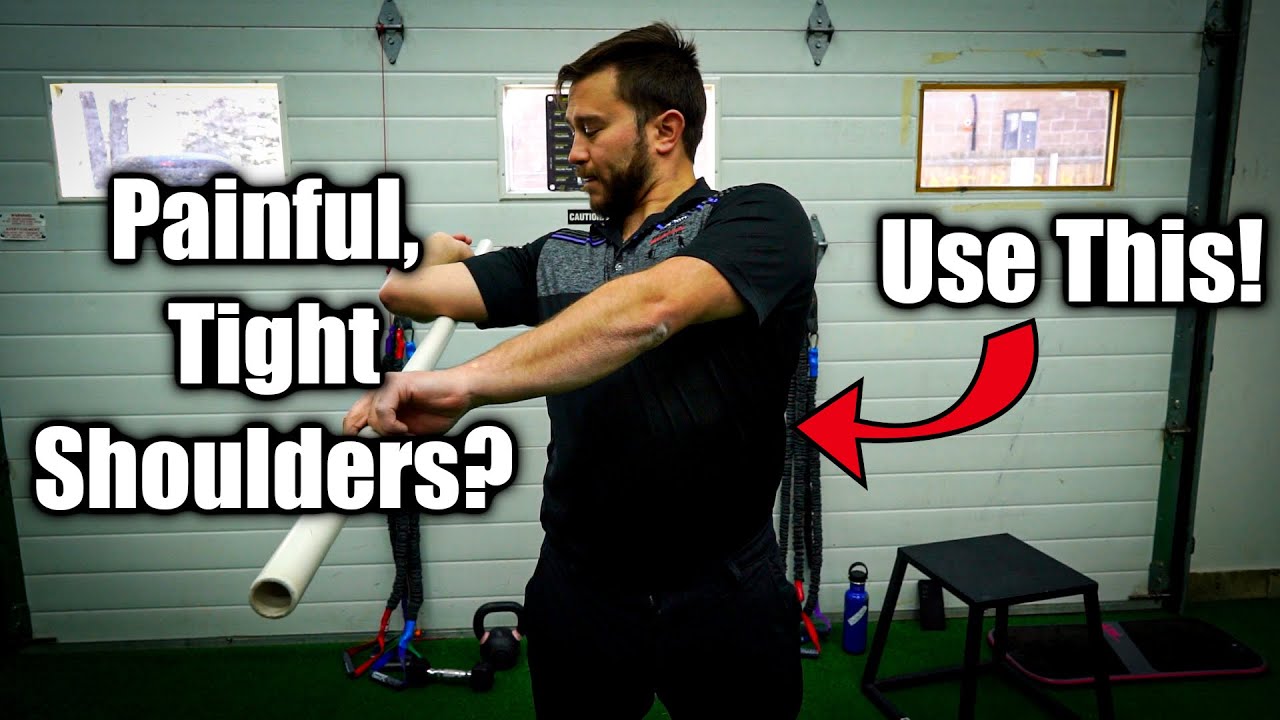
Limited Shoulder Rotation? Try the PVC Pitcher Stretch
Can you bring your arm into a throwing position without your shoulder feeling tight, pinchy, or unstable? Shoulder external rotation is important for much more than throwing a baseball. It contributes to the backswing in golf, overhead lifting, swimming, serving in tennis, reaching behind your head, and many other athletic movements. When that motion is limited, athletes often compensate by: Arching the lower back Flaring the ribs Rotating the entire torso Shrugging the shoul
drjoeferetdc
Jun 2011 min read
Keep Your Game Strong—Without the Back Pain
After a few sets of pickleball or a long round of golf, do you ever feel like your back has had enough? That ache that makes it hard to stand up straight or even swing again isn’t “just getting older”—it’s your body telling you something’s off. When your spine and core aren’t moving the way they’re meant to, your low back ends up taking the brunt of every serve, swing, and twist. Over time, that strain can limit your performance, your power, and your ability to enjoy the game
drjoeferetdc
Nov 19, 20251 min read
bottom of page