top of page


Recover Better. Move Better.
Perform Better


Search
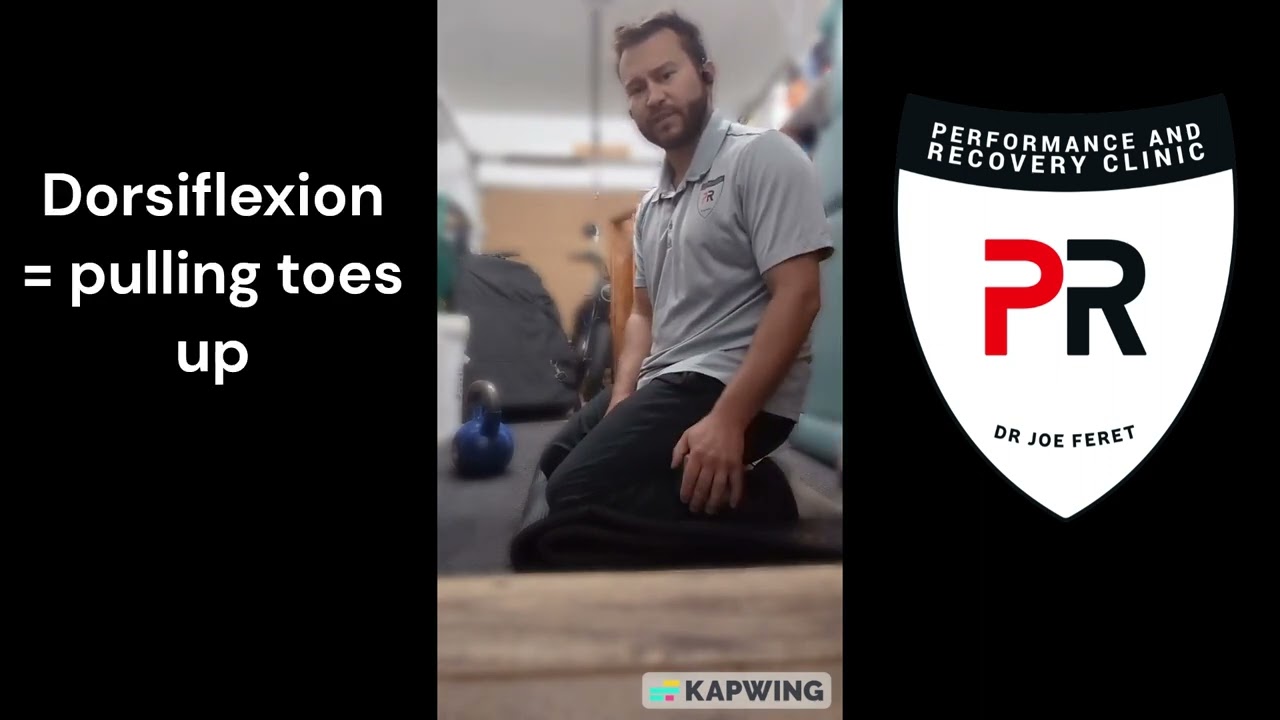
Calf Crushers: A Self-Release Drill for Tight Calves, Ankle Mobility and Lower-Leg Recovery
Tight calves can affect more than just how your lower legs feel. Calf stiffness may influence: Walking Running Hiking Skiing Squatting Lunging Jumping Landing Ankle mobility Foot mechanics Achilles tendon comfort Plantar heel tension If your calves feel constantly tight, sore, or restricted, Calf Crushers can be a useful self-release drill to add to your warm-up or recovery routine. The goal is not to aggressively smash the calf or “break up” tissue. The goal is to apply cont
drjoeferetdc
Jul 610 min read
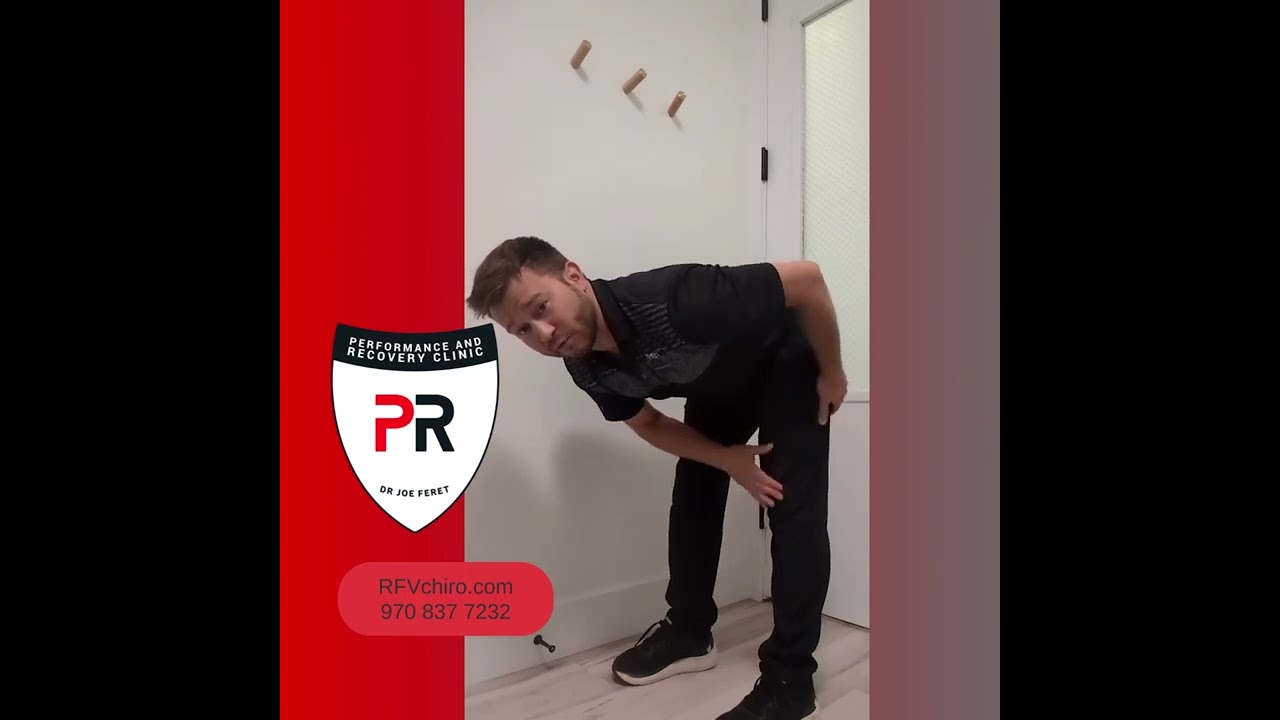
Elephant Walks: Stretch Your Hamstrings and Release Nerve Tension
Tight hamstrings are one of the most common complaints we hear from active adults. But here is the important part: That “tight hamstring” feeling is not always just a muscle flexibility problem. Sometimes the sensation behind the leg involves the sciatic nerve pathway, calf tension, lower-back sensitivity, or simply the body’s response to prolonged sitting, running, lifting, skiing, or hiking. That is where Elephant Walks can be useful. Elephant Walks are a dynamic mobility e
drjoeferetdc
Jul 68 min read
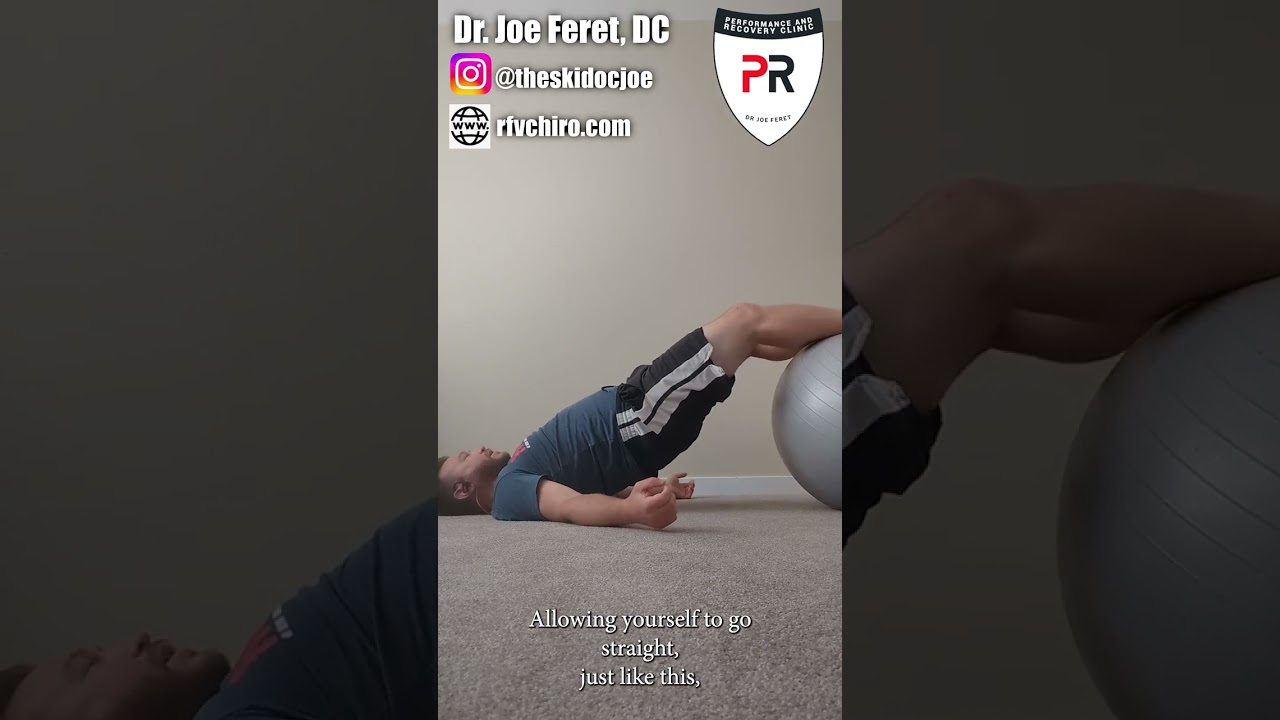
Glute Bridges: Build Hip Strength, Back Stability and Better Movement Control
Glute bridges look simple, but they are one of the most useful foundational exercises for people dealing with lower-back discomfort, hip weakness, poor pelvic control, knee collapse, or difficulty activating the glutes. The exercise teaches your body how to extend the hips without overusing the lower back. That matters because many people with lower-back tightness, hip pain, knee pain, or poor single-leg stability are not lacking effort. They are often struggling with coordin
drjoeferetdc
Jul 69 min read

The Best Hamstring Stretch: Improve Flexibility Without Irritating Your Back
Hamstring tightness can affect bending, running, lifting, hiking, skiing, and many everyday activities. But not every hamstring stretch is equally effective—or equally comfortable. The best stretch is not necessarily the one that allows you to reach the farthest. It is the one that places controlled tension through the hamstrings while keeping your spine and pelvis in a position that matches your goal. Watch: The Best Hamstring Stretch Video:https://youtu.be/-o3zO0Zh0qw?si=dB
drjoeferetdc
Jun 285 min read
Self Hip-Flexor Release: How to Reduce Hip Tightness Safely
The front of the hip can feel tight after: Prolonged sitting Driving Running Cycling Skiing Hiking uphill Repeated lifting High-volume training Many people immediately begin stretching the hip flexors. Stretching may help, but sometimes the area is too sensitive or guarded to tolerate a deep stretch comfortably. A gentle self-release technique may help reduce temporary tension and make subsequent movement feel easier. Watch: Self Hip-Flexor Release Video:https://youtu.be/RK-a
drjoeferetdc
Jun 284 min read
bottom of page