top of page


Recovery Better. Move Better.
Perform Better


Search

Tingling or Tightness in Your Arm? Try This Gentle Upper-Body Nerve Floss
Does your arm feel tight even though stretching your shoulder and forearm never seems to solve the problem? Maybe you experience tingling into your hand while working at a computer. Your arm becomes uncomfortable while driving. Reaching overhead produces a pulling sensation from your neck into your fingers. Or your grip feels different after a previous neck, shoulder, or upper-body injury. Those symptoms may not be caused by a tight muscle alone. The nerves traveling from you
drjoeferetdc
Jun 2014 min read
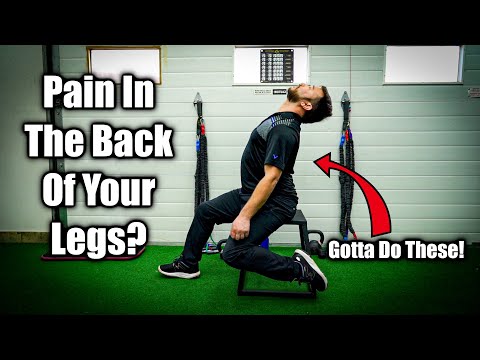
Tingling, Tightness or Sciatica-Like Leg Pain? Try This Gentle Lower-Body Nerve Floss
Does the back of your leg feel unusually tight—even though stretching your hamstrings never seems to provide lasting relief? Maybe sitting in the car causes tingling down your leg. Bending forward creates a pulling sensation behind the knee. Or your leg feels restricted after a previous low-back injury or disc herniation. The problem may not be muscular tightness alone. Sometimes the nervous system becomes sensitive to movement, compression, or prolonged positions. In these c
drjoeferetdc
Jun 2013 min read

Chronic Low-Back Pain? Build Core Strength Without Repeatedly Bending Your Spine
Many people with chronic low-back pain are told that they need a stronger core. That advice sounds simple—but what should you actually do? Traditional sit-ups and crunches repeatedly bend the lower back. For some people, especially those recovering from certain disc injuries or flexion-sensitive back pain, repeatedly moving through that position may feel uncomfortable or aggravating. The McGill Modified Curl-Up takes a different approach. Instead of repeatedly rounding the lo
drjoeferetdc
Jun 2013 min read

Turkish Get-Ups: A Full-Body Exercise for Stronger, More Stable Shoulders
Can you stand up from the floor while keeping a weight securely overhead? That single challenge requires much more than shoulder strength. Your shoulder must remain stable while your trunk rotates, your hips move, your legs change position, and your entire body transitions from lying down to standing. That is what makes the Turkish Get-Up such a valuable exercise. It trains the shoulder as part of a complete movement system rather than in isolation. When performed correctly,
drjoeferetdc
Jun 2011 min read

Sitting All Day? Try These Superman Exercise Variations for Better Posture and Shoulder Mobility
Do your shoulders gradually roll forward as the workday continues? Maybe your upper back feels stiff after sitting at a computer, driving through the valley, or spending several hours looking down at your phone. You may try to correct it by sitting up straighter—but within a few minutes, you are back in the same position. That does not necessarily mean you need to “try harder” to maintain good posture. You may need more strength and endurance in the muscles that support your
drjoeferetdc
Jun 2012 min read

Side Plank Variations for a Stronger Core: A Key Exercise for Runners, Golfers and Athletes
You may be able to hold a regular plank—but can your core keep you stable when your body is loaded from one side? That is where the side plank becomes especially valuable. Running, golfing, skiing, cycling, lifting, and field sports rarely challenge your body in a perfectly symmetrical position. One leg accepts your weight. Your torso rotates. Your arms and legs generate force in different directions. Your core must keep your spine and pelvis controlled through all of it. Sid
drjoeferetdc
Jun 2013 min read
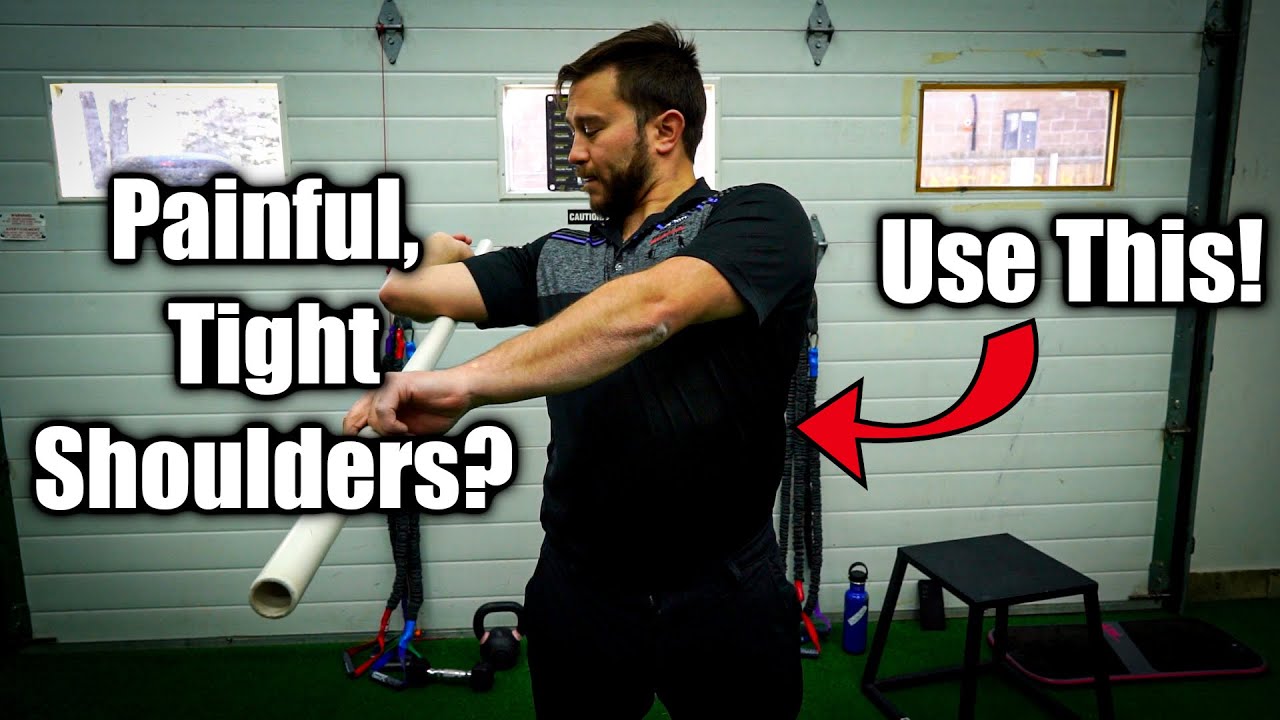
Limited Shoulder Rotation? Try the PVC Pitcher Stretch
Can you bring your arm into a throwing position without your shoulder feeling tight, pinchy, or unstable? Shoulder external rotation is important for much more than throwing a baseball. It contributes to the backswing in golf, overhead lifting, swimming, serving in tennis, reaching behind your head, and many other athletic movements. When that motion is limited, athletes often compensate by: Arching the lower back Flaring the ribs Rotating the entire torso Shrugging the shoul
drjoeferetdc
Jun 2011 min read

Want a Smoother Golf Swing? Start With Better Upper-Back Rotation
Are you trying to create a bigger backswing by twisting harder through your lower back? That may be part of the problem. A powerful golf swing requires rotation, but that rotation should be shared between your hips, pelvis, upper back, shoulders, and spine. When your upper back does not rotate well, your body often tries to find that motion somewhere else. That compensation may show up as: Excessive lower-back twisting Your lead heel lifting early Your posture changing during
drjoeferetdc
Jun 209 min read

Want Stronger, More Stable Shoulders? Try the Kettlebell 90/90 Walk
Your shoulder may feel strong during a bench press or shoulder press—but can it stay controlled when your body is moving underneath it? That is a different challenge. The Kettlebell 90/90 Walk combines shoulder strength, rotator-cuff control, posture, grip, and whole-body coordination in one deceptively simple exercise. Instead of repeatedly lifting the weight, you hold the kettlebell in position and walk while preventing the arm, shoulder blade, and torso from drifting. It i
drjoeferetdc
Jun 2010 min read

Think You Have a Strong Core? Try the Dead Bug Exercise
A strong core is not measured by how many sit-ups you can complete. The real test is whether you can move your arms and legs while keeping your spine and pelvis controlled. That is exactly what the Dead Bug exercise is designed to challenge. It may look simple, but when performed correctly, the Dead Bug can expose weaknesses in core control, breathing, coordination, and spinal stability that traditional abdominal exercises often miss. Watch: How to Perform the Dead Bug Exerci
drjoeferetdc
Jun 208 min read


Restore Movement and Relieve Tension — From Your Feet to Your Neck
If you spend most of your day sitting at a desk, driving, staring at a screen, or even standing for long hours, chances are you’ve felt the effects — tight shoulders, stiff hips, sore feet, and a neck that just won’t relax. The reality is simple: your body is designed to move . But when we get stuck in the same positions day after day, muscles tighten, joints lose their natural motion, and movement becomes restricted. Over time, these small limitations can create a cascade of
drjoeferetdc
Mar 94 min read
bottom of page