top of page


Recover Better. Move Better.
Perform Better


Search
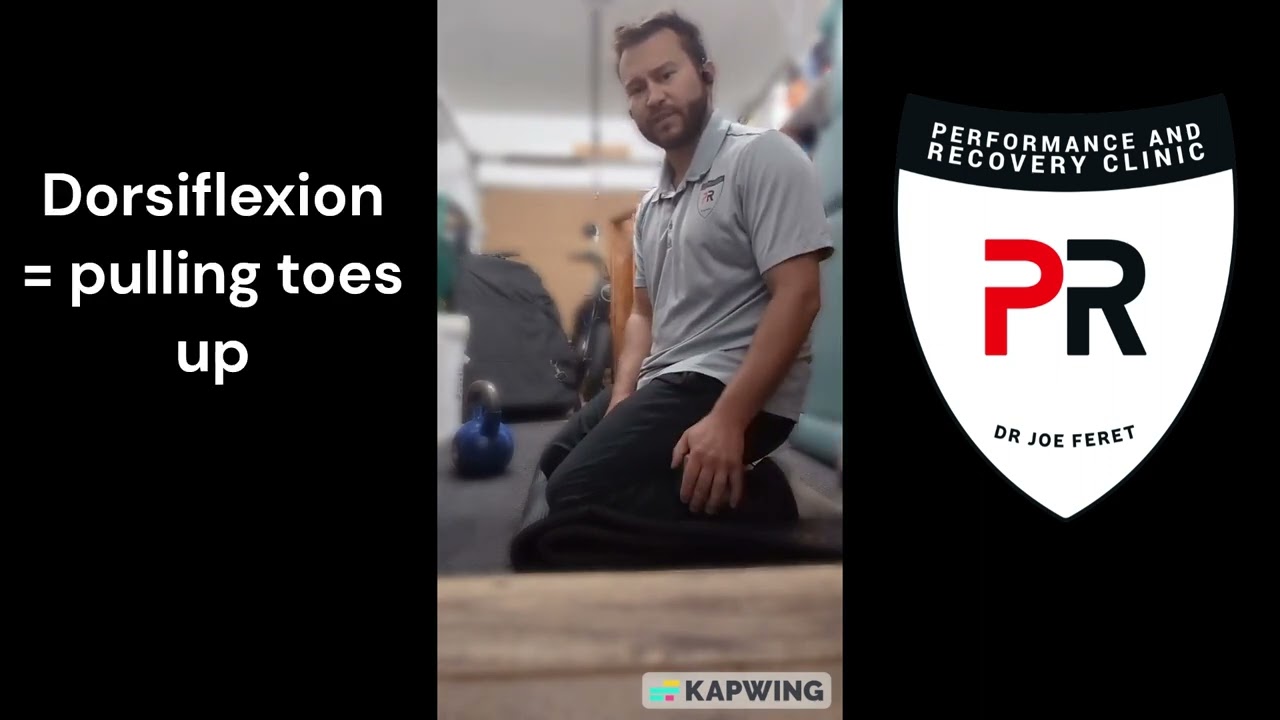
Calf Crushers: A Self-Release Drill for Tight Calves, Ankle Mobility and Lower-Leg Recovery
Tight calves can affect more than just how your lower legs feel. Calf stiffness may influence: Walking Running Hiking Skiing Squatting Lunging Jumping Landing Ankle mobility Foot mechanics Achilles tendon comfort Plantar heel tension If your calves feel constantly tight, sore, or restricted, Calf Crushers can be a useful self-release drill to add to your warm-up or recovery routine. The goal is not to aggressively smash the calf or “break up” tissue. The goal is to apply cont
drjoeferetdc
Jul 610 min read

Mid-Back and Rhomboid Release: Ball Mobility for Shoulder Blade Tension and Upper-Back Tightness
Tension between the shoulder blades is one of the most common complaints we hear from active adults, desk workers, cyclists, skiers, lifters, golfers, and people who spend long hours driving or working at a computer. You may feel it as: A knot between the shoulder blades Tightness around the rhomboids Aching in the mid-back Stiffness after sitting Discomfort with rowing or pulling exercises Burning between the shoulder blades Neck and upper-trap tension Difficulty opening the
drjoeferetdc
Jul 69 min read
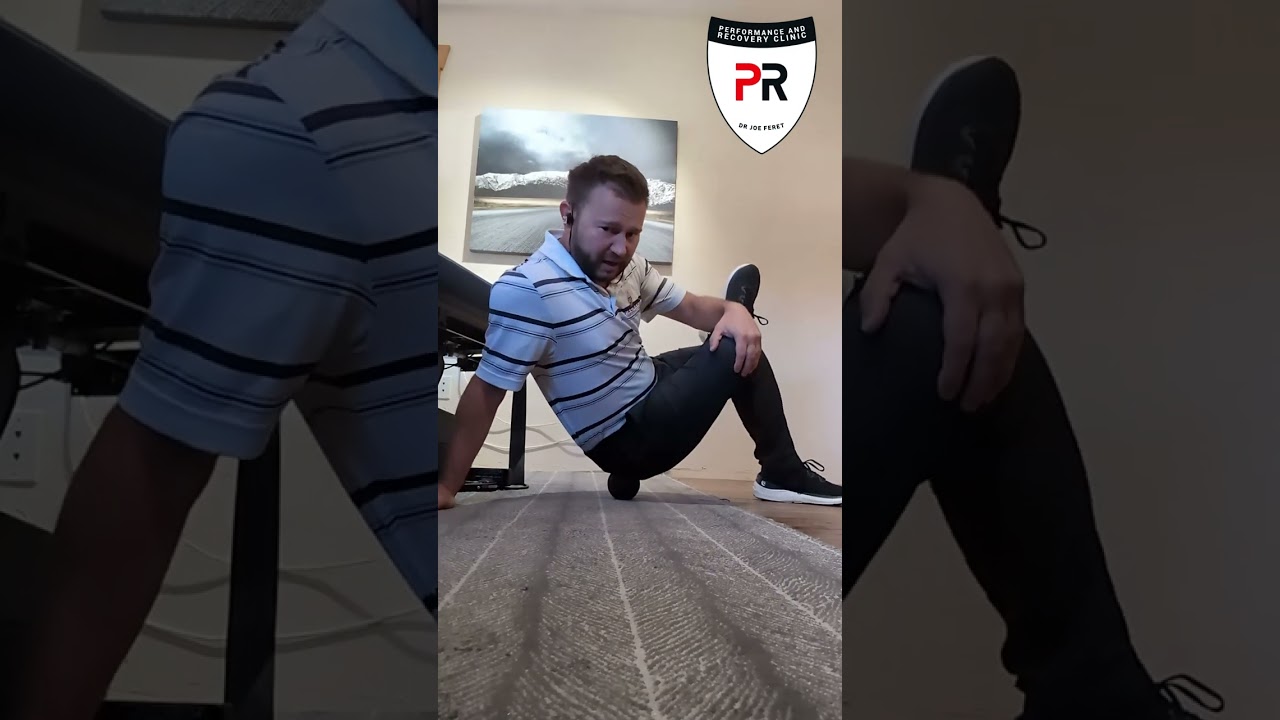
Figure 4s With a Ball: Glute Release for Hip Tightness, Buttock Pain and Sciatic-Type Tension
Tightness in the back of the hip can be frustrating. You might feel it when you: Sit for long periods Drive Run Hike uphill Ski Lift Squat Cross one leg over the other Get out of the car Roll over in bed Many people describe this area as the “piriformis,” but the back of the hip is more complex than one small muscle. The deep gluteal region includes the glute muscles, piriformis, other deep hip rotators, connective tissue, and nearby nerves, including the sciatic nerve. A Fig
drjoeferetdc
Jul 69 min read
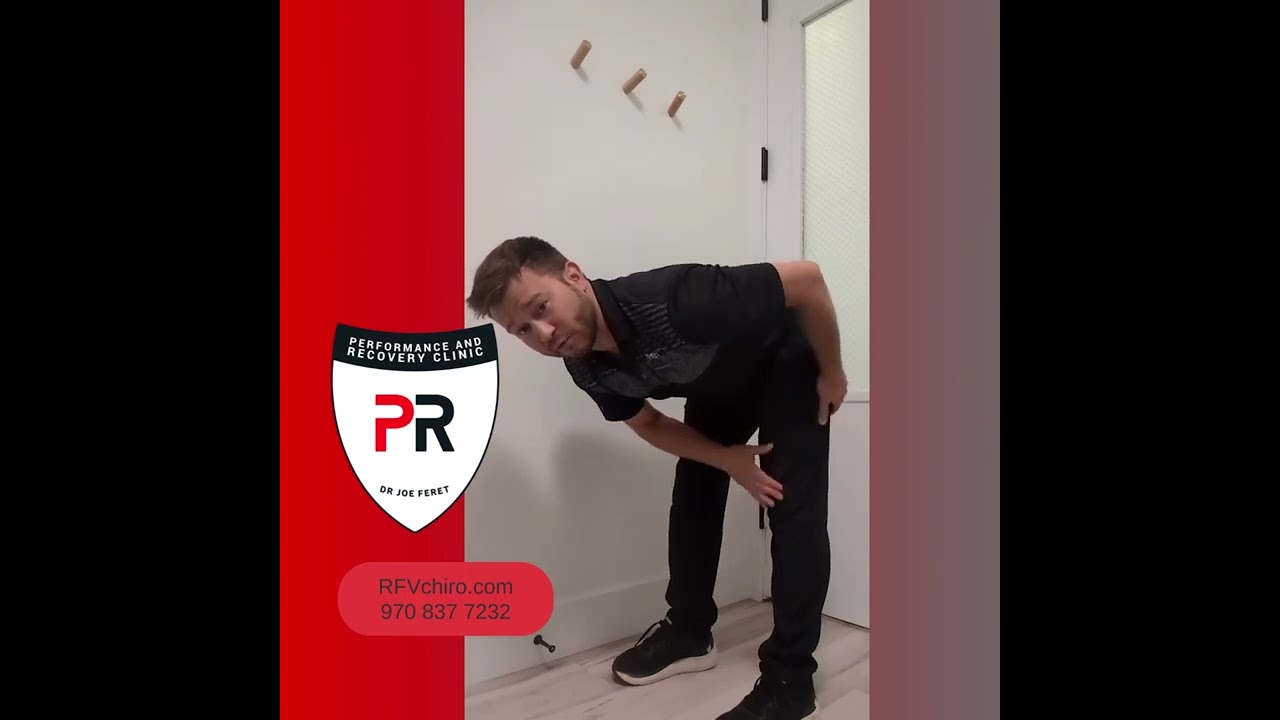
Elephant Walks: Stretch Your Hamstrings and Release Nerve Tension
Tight hamstrings are one of the most common complaints we hear from active adults. But here is the important part: That “tight hamstring” feeling is not always just a muscle flexibility problem. Sometimes the sensation behind the leg involves the sciatic nerve pathway, calf tension, lower-back sensitivity, or simply the body’s response to prolonged sitting, running, lifting, skiing, or hiking. That is where Elephant Walks can be useful. Elephant Walks are a dynamic mobility e
drjoeferetdc
Jul 68 min read
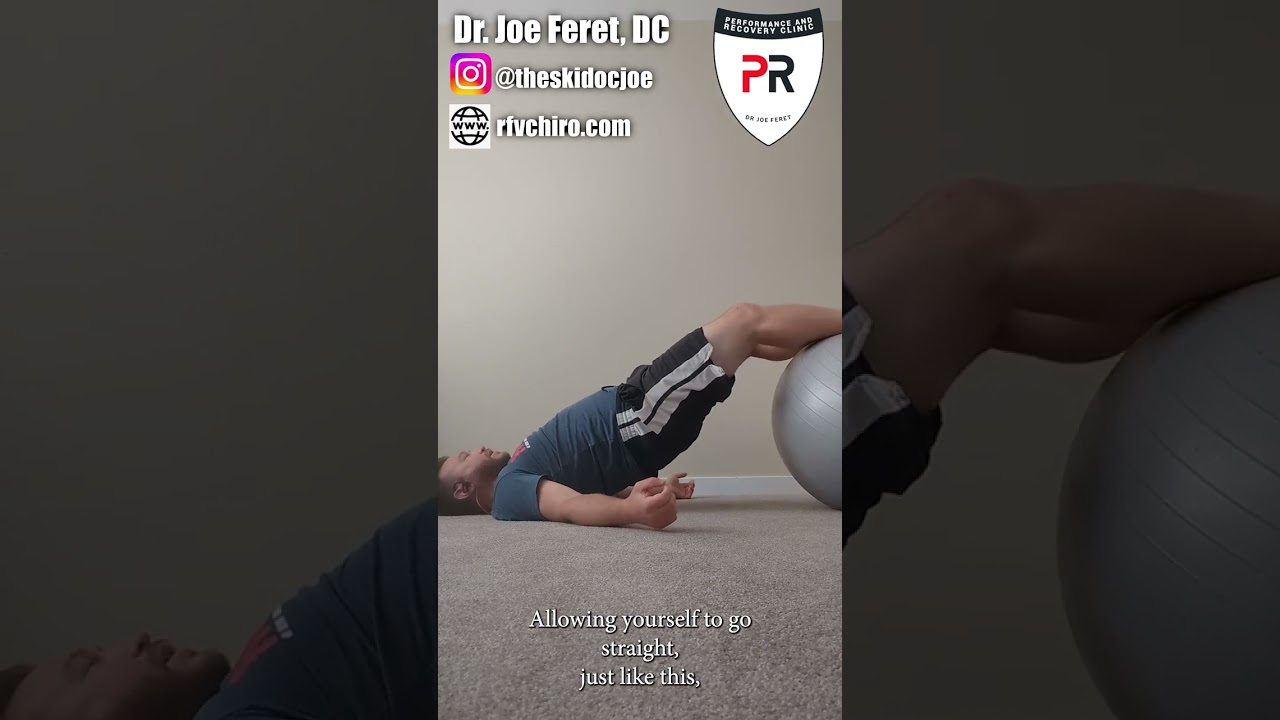
Foam Roller Angels: Open Your Chest, Engage Your Mid-Back and Improve Shoulder Mobility
If your shoulders feel stiff, your upper back feels rounded, or your chest feels tight after sitting, driving, cycling, lifting, or working at a computer, Foam Roller Angels can be a simple and effective mobility drill to add to your routine. This exercise combines three useful goals: Opening the front of the chest Encouraging upper-back extension Improving shoulder-blade movement Helping you feel how the ribs, spine, and shoulders work together Preparing the upper body for b
drjoeferetdc
Jul 68 min read
Self Hip-Flexor Release: How to Reduce Hip Tightness Safely
The front of the hip can feel tight after: Prolonged sitting Driving Running Cycling Skiing Hiking uphill Repeated lifting High-volume training Many people immediately begin stretching the hip flexors. Stretching may help, but sometimes the area is too sensitive or guarded to tolerate a deep stretch comfortably. A gentle self-release technique may help reduce temporary tension and make subsequent movement feel easier. Watch: Self Hip-Flexor Release Video:https://youtu.be/RK-a
drjoeferetdc
Jun 284 min read


How to Support Healthy Circulation Through Movement, Exercise and Recovery
Blood circulation plays a vital role in nearly every system of the body. Your heart, arteries, veins, and capillaries work together to: Deliver oxygen and nutrients Carry hormones Remove metabolic waste Regulate body temperature Support immune function Help working muscles meet the demands of activity For active adults, healthy circulation supports the ability to walk, hike, ski, cycle, run, recover from exercise, and tolerate long days on your feet. However, symptoms such as
drjoeferetdc
Jun 2310 min read


How to Support Healthy Circulation Through Movement, Exercise and Recovery
Cold hands, tired legs, swelling, or muscle cramps are often casually described as “poor circulation.” Sometimes those sensations are related to inactivity, prolonged sitting, cold temperatures, or normal muscular fatigue. In other cases, they may be associated with a medical condition involving the arteries, veins, heart, nerves, or metabolism. That distinction matters. Improving general cardiovascular health is different from treating peripheral artery disease, a blood clot
drjoeferetdc
Jun 2111 min read
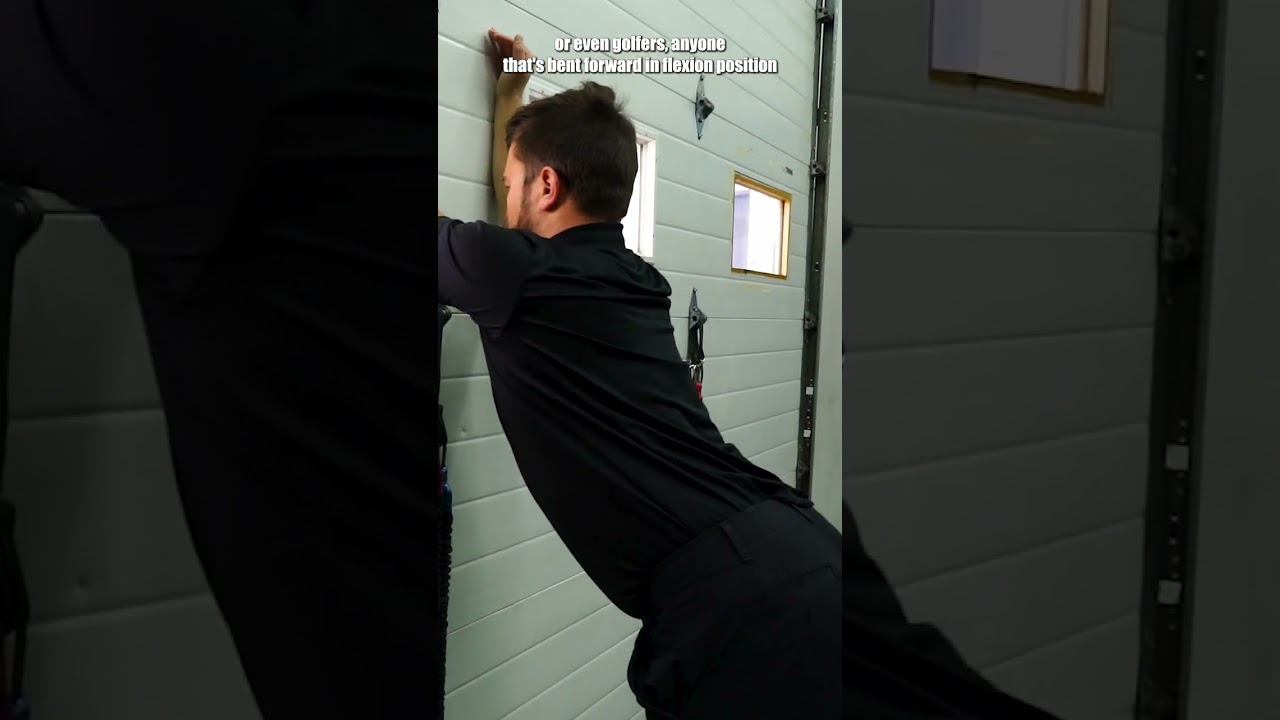
Chest-to-Wall Shoulder Stretch for Overhead Mobility and Upper-Back Stiffness
Chest-to-Wall Shoulder Stretch for Overhead Mobility and Upper-Back Stiffness Restricted overhead motion is often blamed on the shoulders alone. But reaching the arms overhead requires several areas to work together, including the: Shoulder joints Shoulder blades Chest Latissimus dorsi Rib cage Thoracic spine Neck Core When one area is limited, the body often finds movement somewhere else. You may notice: The ribs flaring forward The lower back arching The shoulders shrugging
drjoeferetdc
Jun 219 min read

Hip Flow Drills to Improve Mobility, Control and Strength
Hip Flow Exercises for Better Mobility, Control and Comfortable Movement Hip mobility is not only about holding the deepest stretch you can tolerate. A good hip flow combines controlled movement, smooth breathing, and light muscular effort so you can explore different positions without forcing the joint. The hips are designed to move in several directions. They flex, extend, rotate, and move side to side during walking, running, squatting, golfing, skiing, cycling, and everyd
drjoeferetdc
Jun 2010 min read

Wall Angels for Shoulder Mobility, Upper-Back Strength and Posture
Wall Angels for Shoulder Mobility, Upper-Back Strength and Better Overhead Movement Wall angels look simple—but they can quickly expose where your overhead movement is breaking down. Can you raise your arms overhead without: Shrugging your shoulders toward your ears? Flaring your ribs forward? Arching excessively through your lower back? Letting your wrists or elbows pull away from the wall? Feeling pinching in the shoulder? When those compensations appear, the issue may invo
drjoeferetdc
Jun 2010 min read

Tight Hips? Explore the Elevated Pigeon Stretch as a Gentle Mobility Flow
Does one hip feel tighter than the other when you squat, walk, run, golf, ski, or simply get out of the car? You may not need to force your hip into the deepest stretch possible. Sometimes the most useful approach is to move slowly, explore several comfortable angles, and allow your body to tell you where the restriction is. The Elevated Pigeon Stretch is a hip-mobility exercise that places the front leg on a bench, table, treatment table, couch, or other stable raised surfac
drjoeferetdc
Jun 2012 min read

The Figure-Four Stretch—But With a Better Hip-Focused Variation
The Figure-Four stretch is one of the most recognizable hip stretches. You may have performed it lying on your back, sitting in a chair, or pulling your crossed leg toward your chest. But there is an important difference between simply getting into a familiar position and actually directing the movement into the hip. When people perform the traditional version, they often: Pull aggressively on the knee Round the lower back Rotate the pelvis Hold their breath Force the hip int
drjoeferetdc
Jun 2011 min read

Tight Lats, Hips or Lower Back? Try This Door-Frame Side-Body Stretch
Do you feel tight along the side of your back after sitting, driving, lifting, golfing, running, cycling, or skiing? Maybe reaching overhead feels restricted. One side of your lower back always seems tighter. Or you feel a pulling sensation that runs from your shoulder, through your ribs, and toward your hip. Stretching only the lower back may not address the entire problem. The muscles and connective tissues along the side of the body link the shoulder, rib cage, spine, pelv
drjoeferetdc
Jun 2013 min read

Low Back Feeling Tight? Try the Lunge-and-Reach Stretch
Does your lower back feel tight after sitting, driving, running, cycling, golfing, or spending hours on your feet? Your first instinct may be to bend forward and stretch your back. But sometimes the area that feels tight is not the only area that needs attention. Limited motion through the front of the hips can make it harder to stand fully upright, extend the leg behind you, or move comfortably through activities such as walking, running, skiing, cycling, and golfing. The lu
drjoeferetdc
Jun 2013 min read
bottom of page