top of page


Recover Better. Move Better.
Perform Better


Search


Modern Trends in Chiropractic Care: What You Need to Know Today
Modern Chiropractic Care: Evidence-Informed Treatment, Rehabilitation and Better Patient Outcomes Modern chiropractic care should be more than a quick adjustment, a generic treatment plan, or a collection of impressive-looking technologies. At its best, contemporary chiropractic care combines: A thorough clinical assessment Evidence-informed decision-making Clear communication Appropriate hands-on treatment Active rehabilitation Measurable functional goals Selective use of te
drjoeferetdc
Jun 2112 min read


How Chiropractic Care Can Support Movement, Recovery and an Active Life
Chiropractic care is often associated with back pain, but a thoughtful treatment plan can involve much more than a spinal adjustment. For active adults, workers, athletes, and people recovering from injury, chiropractic care may help reduce certain musculoskeletal symptoms, improve comfortable joint movement, and make it easier to participate in rehabilitation. The goal should not be to “perfectly align” the body or promise that an adjustment will transform every aspect of he
drjoeferetdc
Jun 2110 min read

Thoracic Rotation Stretches for Golfers, Tennis and Baseball Players
Thoracic Rotation Stretches for Golfers, Tennis Players and Baseball Athletes Rotational sports require more than simply twisting harder. The hips, pelvis, trunk, rib cage, upper back, shoulders, and arms must share motion and transfer force in the correct sequence. When the middle and upper back do not rotate comfortably, the body may attempt to create that motion elsewhere. Common compensations may include: Excessive lower-back rotation Shoulder strain Loss of hip control P
drjoeferetdc
Jun 219 min read

Stir the Pot Exercise for Core Strength and Low-Back Stability
Stir the Pot Exercise for Core Strength, Spinal Stability and Athletic Control Basic planks can be useful, but eventually many active adults need a greater challenge. The stir-the-pot exercise is an advanced core-stability drill performed with the forearms on a stability ball. Instead of holding completely still, you make controlled circles with the arms while the trunk resists movement. That combination increases the demand on the abdominal muscles, shoulders, hips, and spin
drjoeferetdc
Jun 2110 min read
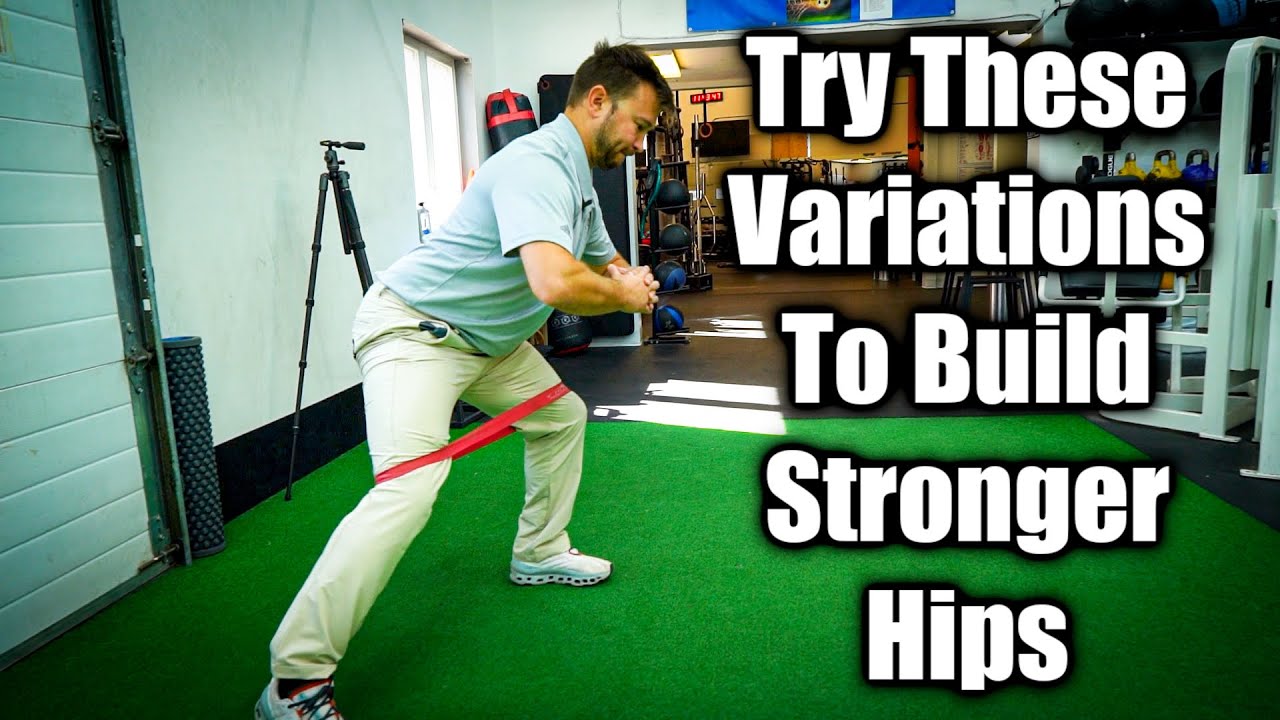
Jane Fonda Toe Taps for Hip Strength, Balance and Pelvic Control
Some exercises stay popular because they work. The classic “Jane Fonda” style of hip training—side-lying leg lifts, controlled taps, and small-range movements—can build meaningful endurance through the lateral hip when performed with good control. The toe-tap variations demonstrated by Dr. Joe add a coordination challenge: the working leg moves while the pelvis and trunk stay as quiet as possible. That makes the exercise useful for more than simply “feeling the burn.” It can
drjoeferetdc
Jun 2110 min read

Hip Flow Drills to Improve Mobility, Control and Strength
Hip Flow Exercises for Better Mobility, Control and Comfortable Movement Hip mobility is not only about holding the deepest stretch you can tolerate. A good hip flow combines controlled movement, smooth breathing, and light muscular effort so you can explore different positions without forcing the joint. The hips are designed to move in several directions. They flex, extend, rotate, and move side to side during walking, running, squatting, golfing, skiing, cycling, and everyd
drjoeferetdc
Jun 2010 min read

Banded Monster Walks for Stronger Hips and Better Knee Control
Banded Monster Walks for Stronger Hips, Better Knee Control and Improved Athletic Stability Do your knees collapse inward when you squat, run, land, climb stairs, or ski? Do your hips feel weak or unstable when you balance on one leg? Banded monster walks are a simple strengthening exercise that can help train the muscles responsible for controlling the pelvis, hips, knees, and feet during movement. They are commonly used in warm-ups and rehabilitation programs, but they shou
drjoeferetdc
Jun 2011 min read
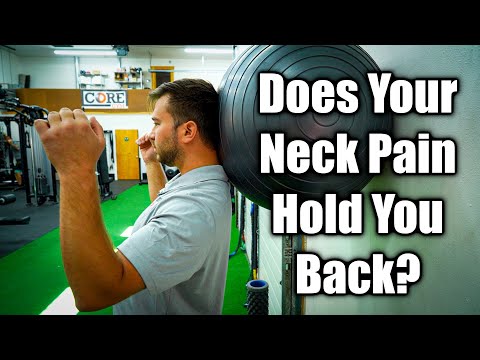
Chin Tucks for Neck Pain, Posture and Deep Neck Strength
Chin Tucks for Neck Pain, Posture and Deep Neck Strength Does your neck feel stiff after working at a computer, driving through the valley, or spending too much time looking down at your phone? Your first instinct may be to stretch the neck, roll the shoulders, or massage the tight area. That may provide temporary relief—but recurring neck discomfort is not always caused by a lack of flexibility. In many cases, the neck may also need better muscular endurance, coordination, a
drjoeferetdc
Jun 2010 min read

Tight Hips? Explore the Elevated Pigeon Stretch as a Gentle Mobility Flow
Does one hip feel tighter than the other when you squat, walk, run, golf, ski, or simply get out of the car? You may not need to force your hip into the deepest stretch possible. Sometimes the most useful approach is to move slowly, explore several comfortable angles, and allow your body to tell you where the restriction is. The Elevated Pigeon Stretch is a hip-mobility exercise that places the front leg on a bench, table, treatment table, couch, or other stable raised surfac
drjoeferetdc
Jun 2012 min read

The Figure-Four Stretch—But With a Better Hip-Focused Variation
The Figure-Four stretch is one of the most recognizable hip stretches. You may have performed it lying on your back, sitting in a chair, or pulling your crossed leg toward your chest. But there is an important difference between simply getting into a familiar position and actually directing the movement into the hip. When people perform the traditional version, they often: Pull aggressively on the knee Round the lower back Rotate the pelvis Hold their breath Force the hip int
drjoeferetdc
Jun 2011 min read

Tight Shoulders or a Rounded Upper Back? Try the Dolphin Stretch
Can you reach both arms overhead without arching your lower back, flaring your ribs, or shrugging your shoulders toward your ears? Many people appear to have adequate overhead mobility—but only because their lower back compensates for a stiff upper back or restricted shoulders. That compensation may become more noticeable after: Sitting at a desk Driving for long periods Cycling Golfing Swimming Climbing Strength training Working with the arms in front of the body Repeated ov
drjoeferetdc
Jun 2011 min read

Chronic Low-Back Pain? Build Core Strength Without Repeatedly Bending Your Spine
Many people with chronic low-back pain are told that they need a stronger core. That advice sounds simple—but what should you actually do? Traditional sit-ups and crunches repeatedly bend the lower back. For some people, especially those recovering from certain disc injuries or flexion-sensitive back pain, repeatedly moving through that position may feel uncomfortable or aggravating. The McGill Modified Curl-Up takes a different approach. Instead of repeatedly rounding the lo
drjoeferetdc
Jun 2013 min read

Turkish Get-Ups: A Full-Body Exercise for Stronger, More Stable Shoulders
Can you stand up from the floor while keeping a weight securely overhead? That single challenge requires much more than shoulder strength. Your shoulder must remain stable while your trunk rotates, your hips move, your legs change position, and your entire body transitions from lying down to standing. That is what makes the Turkish Get-Up such a valuable exercise. It trains the shoulder as part of a complete movement system rather than in isolation. When performed correctly,
drjoeferetdc
Jun 2011 min read

Sitting All Day? Try These Superman Exercise Variations for Better Posture and Shoulder Mobility
Do your shoulders gradually roll forward as the workday continues? Maybe your upper back feels stiff after sitting at a computer, driving through the valley, or spending several hours looking down at your phone. You may try to correct it by sitting up straighter—but within a few minutes, you are back in the same position. That does not necessarily mean you need to “try harder” to maintain good posture. You may need more strength and endurance in the muscles that support your
drjoeferetdc
Jun 2012 min read

Side Plank Variations for a Stronger Core: A Key Exercise for Runners, Golfers and Athletes
You may be able to hold a regular plank—but can your core keep you stable when your body is loaded from one side? That is where the side plank becomes especially valuable. Running, golfing, skiing, cycling, lifting, and field sports rarely challenge your body in a perfectly symmetrical position. One leg accepts your weight. Your torso rotates. Your arms and legs generate force in different directions. Your core must keep your spine and pelvis controlled through all of it. Sid
drjoeferetdc
Jun 2013 min read
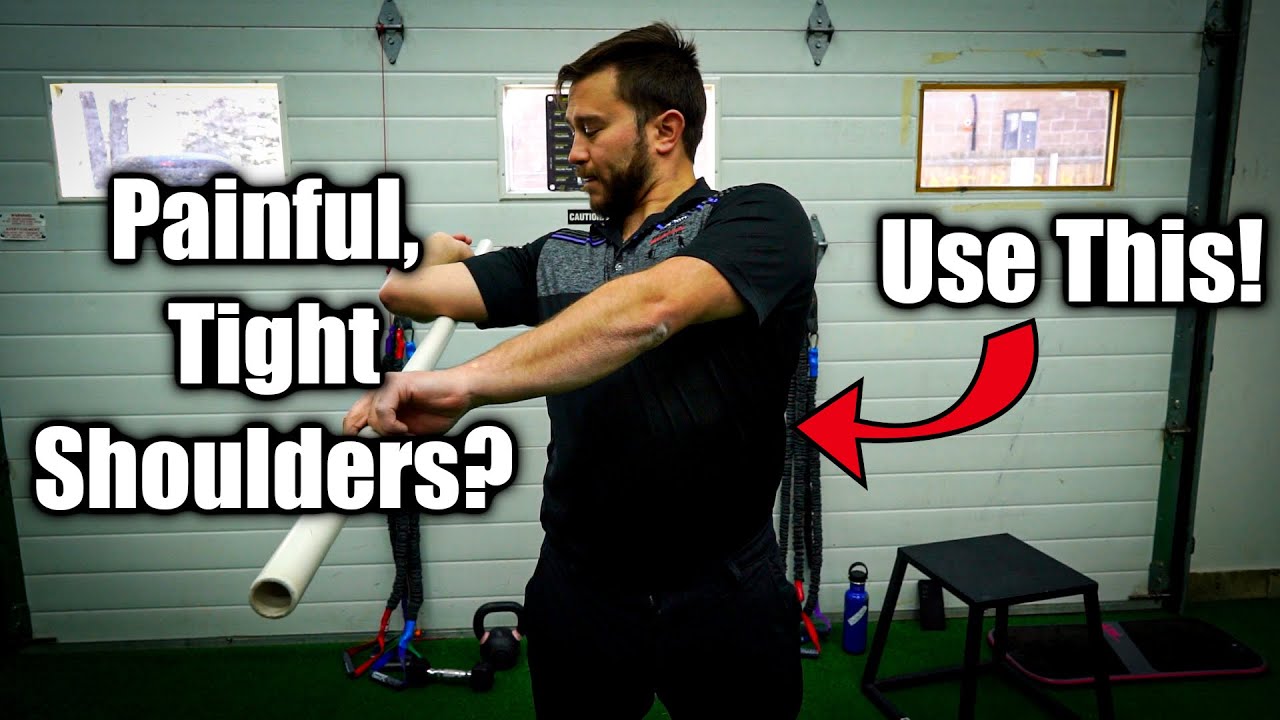
Limited Shoulder Rotation? Try the PVC Pitcher Stretch
Can you bring your arm into a throwing position without your shoulder feeling tight, pinchy, or unstable? Shoulder external rotation is important for much more than throwing a baseball. It contributes to the backswing in golf, overhead lifting, swimming, serving in tennis, reaching behind your head, and many other athletic movements. When that motion is limited, athletes often compensate by: Arching the lower back Flaring the ribs Rotating the entire torso Shrugging the shoul
drjoeferetdc
Jun 2011 min read

Want a Smoother Golf Swing? Start With Better Upper-Back Rotation
Are you trying to create a bigger backswing by twisting harder through your lower back? That may be part of the problem. A powerful golf swing requires rotation, but that rotation should be shared between your hips, pelvis, upper back, shoulders, and spine. When your upper back does not rotate well, your body often tries to find that motion somewhere else. That compensation may show up as: Excessive lower-back twisting Your lead heel lifting early Your posture changing during
drjoeferetdc
Jun 209 min read
bottom of page